The Enduring Value of Luxury Goods: Why Collecting Still Matters
Luxury goods have long been symbols of status, craftsmanship, and exclusivity. Yet, in a world where fast fashion and digital trends dominate, many wonder if collecting luxury items still holds value. The answer is a clear yes. Collecting luxury goods remains a meaningful pursuit, offering not only aesthetic pleasure but also financial and cultural benefits.

The Timeless Appeal of Luxury Goods
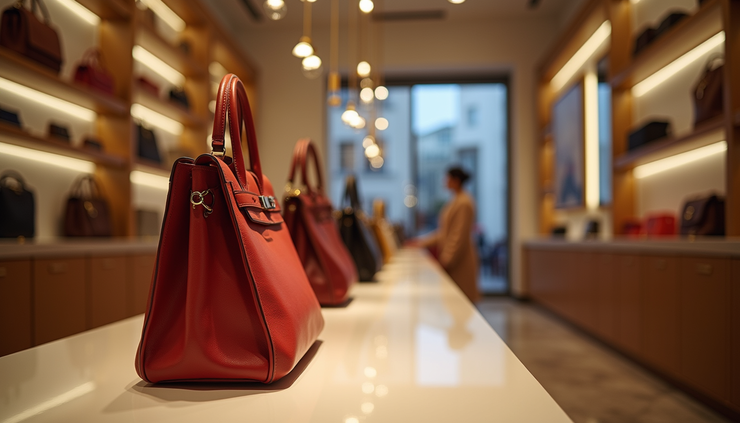
Luxury goods stand apart because of their quality and heritage. Unlike mass-produced items, these products often involve meticulous handcrafting and use of premium materials. This attention to detail creates pieces that last decades, sometimes even centuries. For collectors, this durability means their investments can be enjoyed for generations.
For example, brands Le Tanneur and Dior have classic looks that are not only timeless, but sustain in value. A well-maintained luxury handbag can retain 70-90% of it's original retail value. This shows how luxury goods can serve as both personal treasures and financial assets.
Emotional and Cultural Significance
Collecting luxury goods goes beyond monetary value. Many collectors develop a deep emotional connection with their items. These goods often represent milestones, memories, or personal achievements. A handbag from a renowned brand might remind someone of a special occasion or a meaningful gift.
Luxury items also carry cultural weight. They reflect artistic trends, technological advances, and social changes over time. For instance, vintage Hermès scarves showcase evolving design styles and craftsmanship techniques. Collectors become custodians of this cultural history, preserving stories embedded in each piece.
The Market for Luxury Collectibles
The market for luxury goods remains robust despite economic fluctuations. Auction houses like Sotheby’s and Christie’s regularly feature luxury items like, handbags, and jewelry that attract global buyers. Some items sell for high prices, proving that demand for rare and well-preserved pieces is strong.
Online platforms have also expanded access to luxury collectibles. Websites specializing in authenticated or custom goods, like klakimari.com allow collectors to buy with confidence. This accessibility helps maintain liquidity in the market, making it easier to enter or exit collections.
Practical Tips for Collectors
If you are considering collecting luxury goods, here are some practical tips to keep in mind:
Research thoroughly: Understand the brand’s history, product lines, and market trends before purchasing. If it's a new brand, focus on details.
Focus on condition: Items in excellent condition retain value better if you are purchasing pre-owned or vintage. Look for original packaging and documentation.
Buy from trusted sources: Use reputable dealers or auction houses to avoid counterfeits.
Consider rarity: Limited editions or discontinued models often appreciate more.
Maintain your collection: Proper storage and regular maintenance preserve quality and value.
Sustainability and Luxury Collecting
Sustainability is becoming a key factor in luxury purchases. This shift also aligns with changing consumer values. Many buyers now seek authenticity and longevity over fast consumption. Collecting luxury goods fits well with this mindset, combining enjoyment with responsible ownership.
The Future of Luxury Collecting
Looking ahead, the value of collecting luxury goods will likely continue. As technology advances, new ways to authenticate and track provenance will emerge, increasing buyer confidence. Digital tools like blockchain are already being used to verify ownership and history of luxury items.
Moreover, the emotional and cultural appeal of luxury goods will remain strong. People will always seek meaningful possessions that tell stories and reflect personal identity. Collecting luxury items offers a way to connect with craftsmanship, heritage, and artistry in a tangible form.


Comments